Cat SVG Files for Cricut, SVG for Maine
A Designer’s First Look: Friendly, Bold, and Built for Stitching
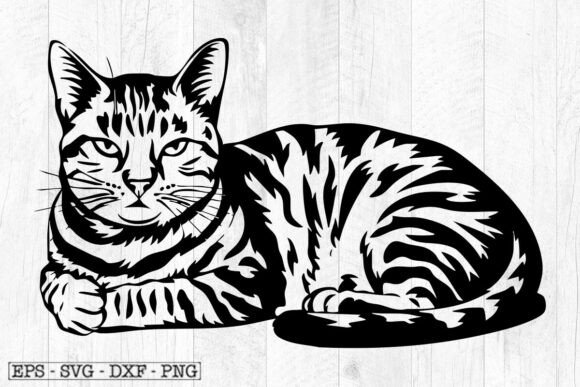
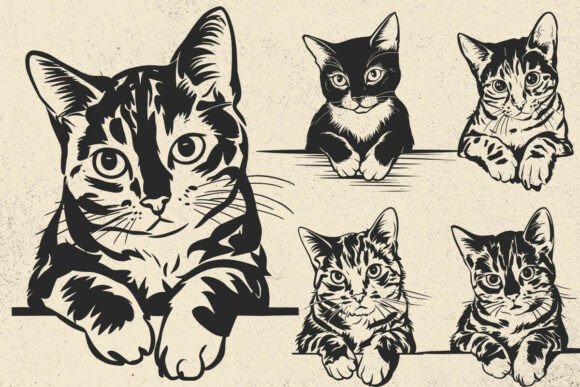
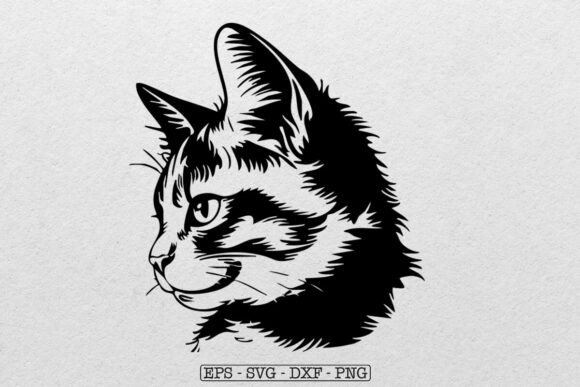
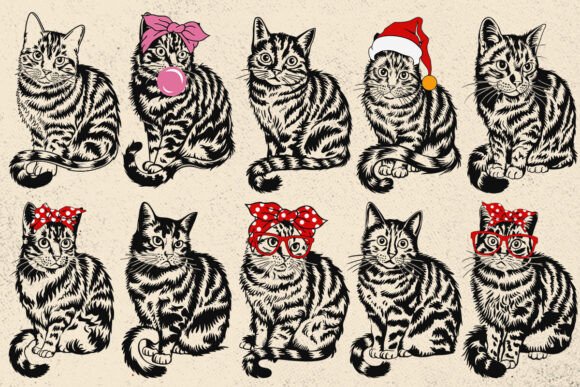
When I opened Cat SVG Files for Cricut, SVG for Maine, my eye went straight to the silhouette—clean lines, confident curves, and that unmistakable Maine Coon presence: proud posture, expressive ears, and a tail with just enough curl to suggest movement. It doesn’t scream “cute overload” or lean into cartoon exaggeration. Instead, it balances charm with quiet sophistication—exactly the kind of visual tone that translates well from screen to stitch. As someone who regularly selects embroidery files for client work and small-batch merchandise, I immediately pictured this on a heavyweight cotton tote bag for a local pet boutique: subtle enough for adult appeal, distinctive enough to spark conversation.
How It Holds Up in Real Embroidery Projects
I tested Cat SVG Files for Cricut, SVG for Maine across three real-world applications: a custom sweatshirt for a Maine-themed gift shop, a set of baby onesies for a nursery collection, and a woven patch series for a craft fair vendor. In each case, the design held its shape without distortion—even when resized down to 3.5 inches wide for the onesies. The outlines are generous but not heavy; there’s no micro-detail that would vanish under fill stitch or blur on textured fabric. That’s critical: this isn’t an applique design begging for raw-edge layers or satin-stitch flourishes. It’s a strong, self-contained machine embroidery design built for clarity first.
On sweatshirts, the file scaled beautifully at 4.25 inches—no puckering, no thread nesting—especially when paired with medium-weight cutaway stabilizer. For the baby onesies, I used tear-away and kept stitch density moderate; the result was soft, wash-friendly, and safe for sensitive skin. And as a patch base? Perfect. The clean outer contour gave crisp edges after heat-sealing and embroidery backing, and the proportions left room for optional border stitching or subtle shadow fill if a seller wants to elevate perceived value.
Where to Use It—and Where to Pause
This isn’t a one-size-fits-all embroidery file. Its strength lies in balance—not intricacy—so it shines best on stable, medium-to-heavy fabrics: canvas totes, twill caps, linen tea towels, denim aprons, and structured pillow covers. It performs reliably on curved surfaces like baseball caps when hooped carefully and stabilized properly. But I’d avoid using Cat SVG Files for Cricut, SVG for Maine on ultra-thin jersey or highly stretchy knits without significant digitizing adjustments—it wasn’t built for high-distortion zones.
Dark fabrics? Yes—with high-contrast thread (ivory or cream works especially well against navy or charcoal). Light fabrics? Just as effective, especially with deeper thread tones like charcoal gray or forest green to preserve definition. Tiny hoops under 4 inches? Possible, but test first: the ear tips and tail end hold up well, but fine corners can soften if stitched too aggressively at very small scales. Also, skip dense decorative accents around the design unless you’re intentionally reworking the file—this is a standalone piece, not a frame-ready motif.
What It Adds to Your Handmade Product—and Your Customer’s Experience
Customers don’t buy stitches—they buy feeling. And Cat SVG Files for Cricut, SVG for Maine delivers quiet confidence. It reads as intentional, not generic. On an Etsy listing, it helps your handmade product stand out without shouting. On a boutique shelf, it supports brand consistency—especially for shops leaning into regional pride, pet-loving audiences, or minimalist craft aesthetics. Gifting-wise, it lands perfectly: warm but not saccharine, recognizable but not cliché. That matters when someone’s choosing a holiday embroidery or wedding gift for a cat-loving friend.
For craft business owners, this file supports scalability. You can use it across categories—apparel, home goods, accessories—without needing separate versions. And because it ships with SVG, EPS, PNG, and DXF formats, it’s flexible for both embroidery digitizing and print-on-demand mockups. Just remember: Cat SVG Files for Cricut, SVG for Maine is a graphics asset, not a pre-digitized embroidery file. If you’re new to machine embroidery, you’ll need to convert or digitize it first—or partner with a digitizer who understands stitch behavior on varied substrates.
Practical Notes Every Embroidery Designer Should Keep Handy
- Always test on scrap fabric first—especially with your exact stabilizer, thread, and hoop setup.
- Review stitch density before finalizing: too dense = stiff fabric; too sparse = weak definition.
- Confirm hoop size compatibility—some layouts may require repositioning for smaller hoops.
- Inspect small details like ear contours and tail taper in both black-and-white and color mockups.
- Compare how the design reads on light vs. dark fabric backgrounds—thread contrast changes everything.
- Use proper stabilizer for your fabric type: cutaway for knits, tear-away for stable wovens, mesh for lightweight linens.
- Check licensing terms before selling finished embroidered items or reselling digital versions—Cat SVG Files for Cricut, SVG for Maine includes multiple formats, but commercial use rights depend on the original license.
- Remember: this is a graphics file, not a ready-to-stitch embroidery file—digitizing skill or support is essential for machine embroidery projects.
Final Thought: A Thoughtful Tool, Not a Shortcut
Cat SVG Files for Cricut, SVG for Maine won’t replace thoughtful design judgment—but it does make thoughtful design easier. It’s the kind of file I keep in my “go-to” folder for clients who want authenticity over trend-chasing, clarity over clutter, and craftsmanship over convenience. Whether you’re stitching personalized gifts, building a small shop’s signature look, or creating digital embroidery files for other makers, this set offers reliable structure, regional warmth, and quiet versatility. Just treat it like any good design asset: test it, trust your instincts, and let the stitch do the rest.