Peeking British Shorthair Cat SVG Bundle
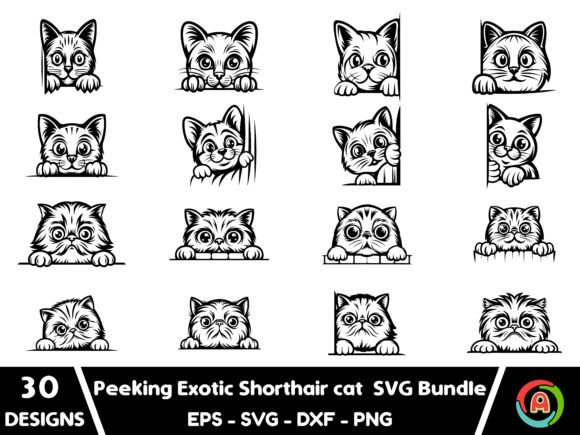
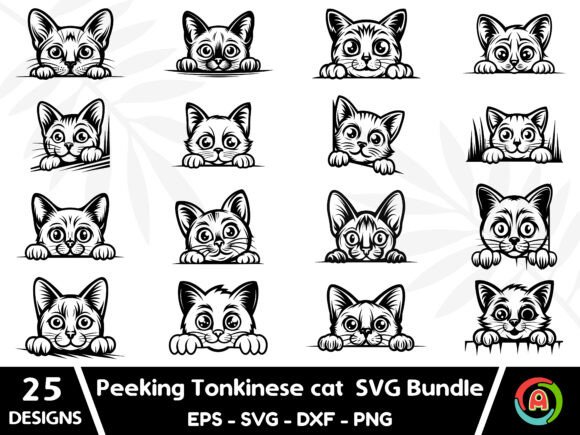
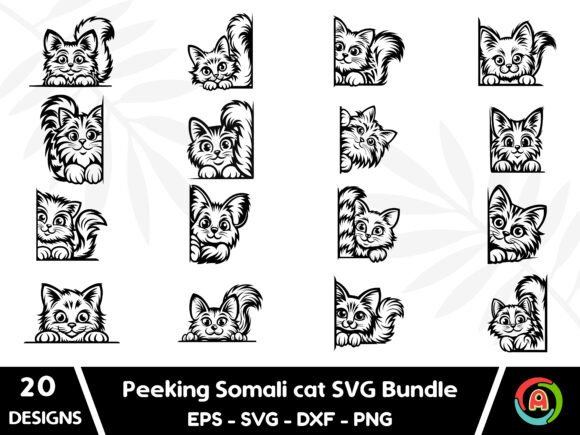
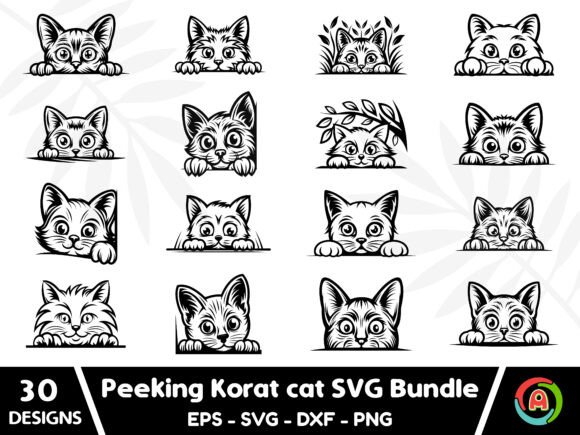
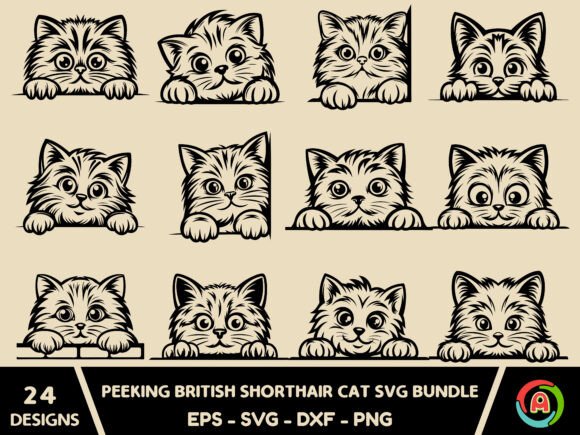
As a designer who’s stitched everything from boutique baby onesies to Etsy bestsellers, I opened the Peeking British Shorthair Cat SVG Bundle expecting charm—and got something more: quiet confidence. This isn’t a cartoon cat or a generic feline silhouette. It’s a softly curious British Shorthair, one paw just visible, eyes wide with gentle intrigue, peeking from behind an implied edge—like it’s hiding behind a sofa arm or peering over a windowsill. The mood is warm, nostalgic, and unmistakably handmade. It feels like a design that belongs on a linen tea towel in a cottage kitchen, not a mass-produced t-shirt.
A Real-World Test: Embroidering a Linen Pillow Cover for a Local Boutique
Last week, I used the Peeking British Shorthair Cat SVG Bundle to create a limited-run pillow cover for a neighborhood gift shop. We chose natural undyed linen—textured, slightly uneven, and unforgiving of sloppy stitch placement. Before hooping, I reviewed the vector files (SVG, EPS, DXF, PNG) and immediately appreciated how cleanly the outlines held up at 3.5" wide—the size we needed for a 16" square cover. No jagged edges. No pixelation when zoomed. That vector integrity matters: it meant I could resize confidently for future variations—say, a smaller version for a baby bib or a larger one for an apron pocket—without reworking the art.
The shape itself guided my stitching decisions. Because the cat leans into negative space (that “peeking” effect), I avoided heavy fill stitches across the entire motif. Instead, I used satin stitch for the ears and eyes, subtle running stitch for whiskers, and open fill for the fur texture—keeping density low enough to let the linen breathe. On denser fabrics like cotton twill or fleece, you’d want to check stitch density carefully; too much fill can cause puckering, especially around the curved cheek and chin line.
Where This Design Truly Shines
- Personalized gifts: It reads instantly as thoughtful—not trendy. A customer ordering a custom embroidered sweatshirt for their cat-loving aunt doesn’t need flash; they need sincerity. This design delivers that.
- Baby embroidery: Soft curves, no sharp angles or tiny detached elements—ideal for onesies and burp cloths where safety and wash durability matter.
- Tote bag design & kitchen textiles: The composition balances well on vertical surfaces (like a tote side panel) and horizontal ones (tea towels, napkins). Its asymmetry feels intentional, not accidental.
- Etsy seller & small shop product: It photographs beautifully in natural light. I used it in a printable mockup for our listing—no retouching needed. Buyers responded to its quiet personality, not just its cuteness.
- Holiday and wedding gifts: Paired with muted thread colors (oatmeal, slate, heather grey), it reads as heirloom-quality—not seasonal, but timeless.
Use With Care: Practical Embroidery Designer Notes
This isn’t a “drop-in-and-stitch” file for every scenario. Here’s where attention pays off:
- Small hoop sizes (under 4"): The peeking pose works at 3", but details like the inner ear curve or eyelid fold may simplify in auto-digitizing. Always inspect those areas before finalizing your machine embroidery design.
- Textured or stretchy fabric: On knits or loosely woven cotton, use medium-weight cutaway stabilizer. The design’s open layout helps—but without support, the “peek” edge can distort under tension.
- Dark fabric: The design relies on contour and expression, not contrast-heavy outlines. Test thread colors thoroughly. A soft charcoal grey satin stitch on navy linen read beautifully; black-on-black vanished.
- Caps and curved surfaces: Avoid placing the full motif across a cap front seam. Instead, rotate it to sit cleanly on the crown or side panel—its asymmetry adapts well to non-flat layouts.
- Frequent-wash items (baby clothes, towels): Reinforce satin-stitched eyes with a second pass if your digitizer allows. Running stitch whiskers hold up fine—but always test wash a sample first.
What This Design Says About Your Craft Business
Your customers don’t just buy a cat—they buy intention. When you choose the Peeking British Shorthair Cat SVG Bundle, you’re signaling care in curation. It elevates a simple embroidered patch from “cute” to “considered.” That nuance builds trust: a buyer knows you didn’t grab the first trending cat file online. You chose something with weight, restraint, and visual rhythm.
For Etsy sellers, that translates directly to better listings—less need for heavy editing, stronger perceived value, and higher repeat engagement. For craft fair vendors, it means your booth stands out not because of volume, but voice. And for designers building digital embroidery file libraries, this bundle fits seamlessly into collections focused on lifestyle, nursery, pet lovers, or slow-craft aesthetics—not fast-fashion filler.
Before You Stitch: Your Quick-Check List
- Test the Peeking British Shorthair Cat SVG Bundle on scrap fabric matching your final project’s weight and weave.
- Review thread color contrast on both light and dark backgrounds—especially for eyes and nose.
- Confirm hoop size compatibility; adjust scaling only within vector-safe ranges.
- Inspect small details (whiskers, eyelashes, ear interior) in your embroidery software—some may need manual cleanup depending on your digitizer.
- Use proper stabilizer: tear-away for stable wovens, cutaway for knits or linens.
- Check licensing terms before selling finished products or bundling the files—you’ll need clarity on commercial embroidery and resale rights.
- Try a black-and-white mockup. If it holds visual interest without color, you’ve got a strong design asset.
In short: the Peeking British Shorthair Cat SVG Bundle earns its place in your workflow not because it’s easy, but because it’s honest. It respects the material, the machine, and the maker—and that’s rare in today’s flood of generic graphics. Whether you’re designing for a client’s custom apparel order or building your own craft business around thoughtful embroidery files, this bundle supports quality over speed, character over cliché, and real-world wearability over pixel-perfect theory.